Players of Destiny 2’s “Last Wish” raid have long debated whether the loot drops follow a hidden algorithm or are pure chance. Recent community data mining has uncovered recurring clusters that suggest a semi‑predictable structure, prompting a fresh look at how teams can optimize runs without relying on luck alone.
Why the loot table pattern matters now
The raid’s difficulty spikes and the rarity of exotic rewards have made loot efficiency a priority for both casual fireteams and competitive guilds. When a drop feels random, groups either grind endlessly or risk burnout, a trade‑off that hurts long‑term engagement. By recognizing a pattern, squads can allocate resources—such as weapon upgrades or consumables—more strategically, turning what felt like a gamble into a calculated push.
What the emerging patterns reveal
Analysis of dozens of post‑raid logs shows three principal trends:
- Tiered drop phases: Early encounters favor legendary gear, while later stages increasingly yield exotics.
- Location bias: Certain rooms—especially those with environmental puzzles—have a higher probability of granting unique items.
- Team composition effect: Groups that consistently run with a balanced mix of DPS, support, and tank roles see a modest boost in exotic drop rates.
These insights provide concrete advantages: teams can schedule their most experienced players for the latter phases, or deliberately rotate roles to maintain the “balanced mix” advantage. However, the pattern is not absolute; randomness still governs the final roll, meaning expectations must stay realistic.
How to adapt your playstyle
To turn the pattern into a practical advantage, players should adopt a three‑step approach:
- Map the run: Prior review the raid’s layout and identify the high‑bias rooms. Position your strongest DPS in those zones to maximize damage output when the loot pool tilts toward exotics.
- Rotate roles weekly: Rotate one player out of their usual slot every week. This preserves the "balanced mix" factor while preventing burnout.
- Track drops: Keep a shared spreadsheet of each run’s outcomes. Over time the data will confirm whether the observed trends hold for your group, allowing fine‑tuning of strategies.
Following this routine can shave hours off the grind, but it does not guarantee an exotic on every attempt. The underlying RNG still plays a role, and players should temper expectations to avoid frustration.
Potential pitfalls and community response
While the pattern offers a tactical edge, it also introduces new challenges. Over‑optimizing can lead teams to ignore the raid’s narrative flow, treating encounters merely as loot checkpoints. Moreover, the community’s focus on “gaming the system” may alienate players who prefer the thrill of true randomness. Balancing efficiency with enjoyment remains the central trade‑off.

Overall, “Cracking the Code on Last Wish Loot Table Patterns” equips fireteams with actionable knowledge while reminding them that no strategy can replace the core excitement of the raid. By embracing both the insights and the inherent uncertainty, players can enjoy a more balanced, rewarding experience.
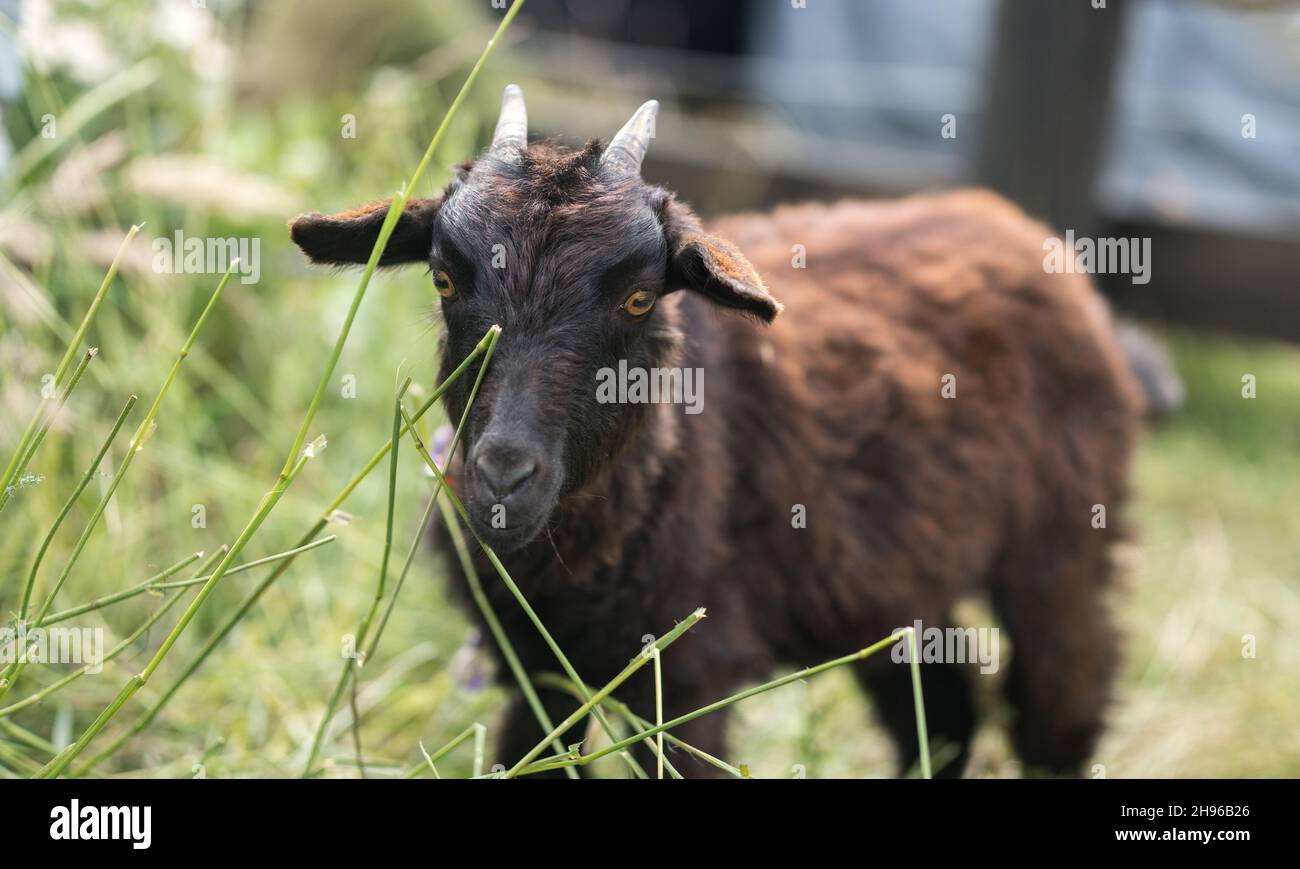
One Of The Rarest Goat Breeds In The World, The New Zealand Arapawa

One of the rarest goat breeds in the world, the New Zealand Arapawa ...
Close Up Of New Zealand Goat Looking Through Metal Fence Stock Photo

Close Up Of New Zealand Goat Looking Through Metal Fence Stock Photo ...
Does — Circle W Ranch - New Zealand Kiko Goats For Sale

Does — Circle W Ranch - New Zealand Kiko Goats For Sale
Bucks — Circle W Ranch - New Zealand Kiko Goats For Sale
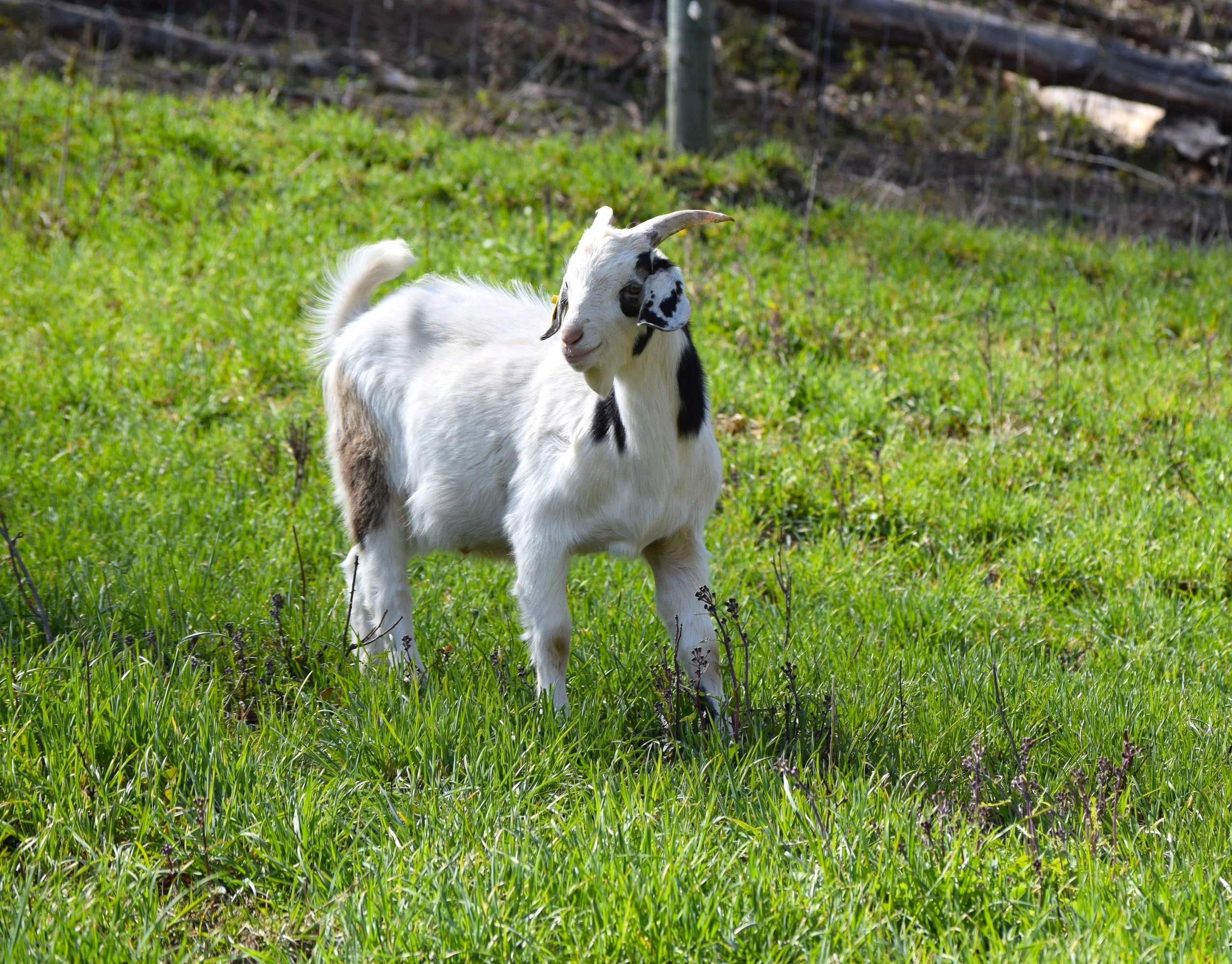
Bucks — Circle W Ranch - New Zealand Kiko Goats For Sale
