As August wanes, professionals across the United States are turning the final weeks of summer into a structured sprint toward September’s goals. By aligning tasks, budgets, and habits now, they avoid the common September scramble and set a measurable pace that translates into higher productivity, smoother transitions, and clearer personal‑work balance.
August as the Launchpad for September Success
Historically, August offers a unique blend of dwindling vacation days and lingering momentum from summer projects. This window lets teams finalize Q3 priorities while still benefiting from flexible schedules. Executives report that firms which allocate explicit “pre‑September” milestones see a 12‑15% reduction in deadline overruns compared to those that wait until the month starts.
Scenario‑Based Strategies
Scenario 1: The Startup Sprint
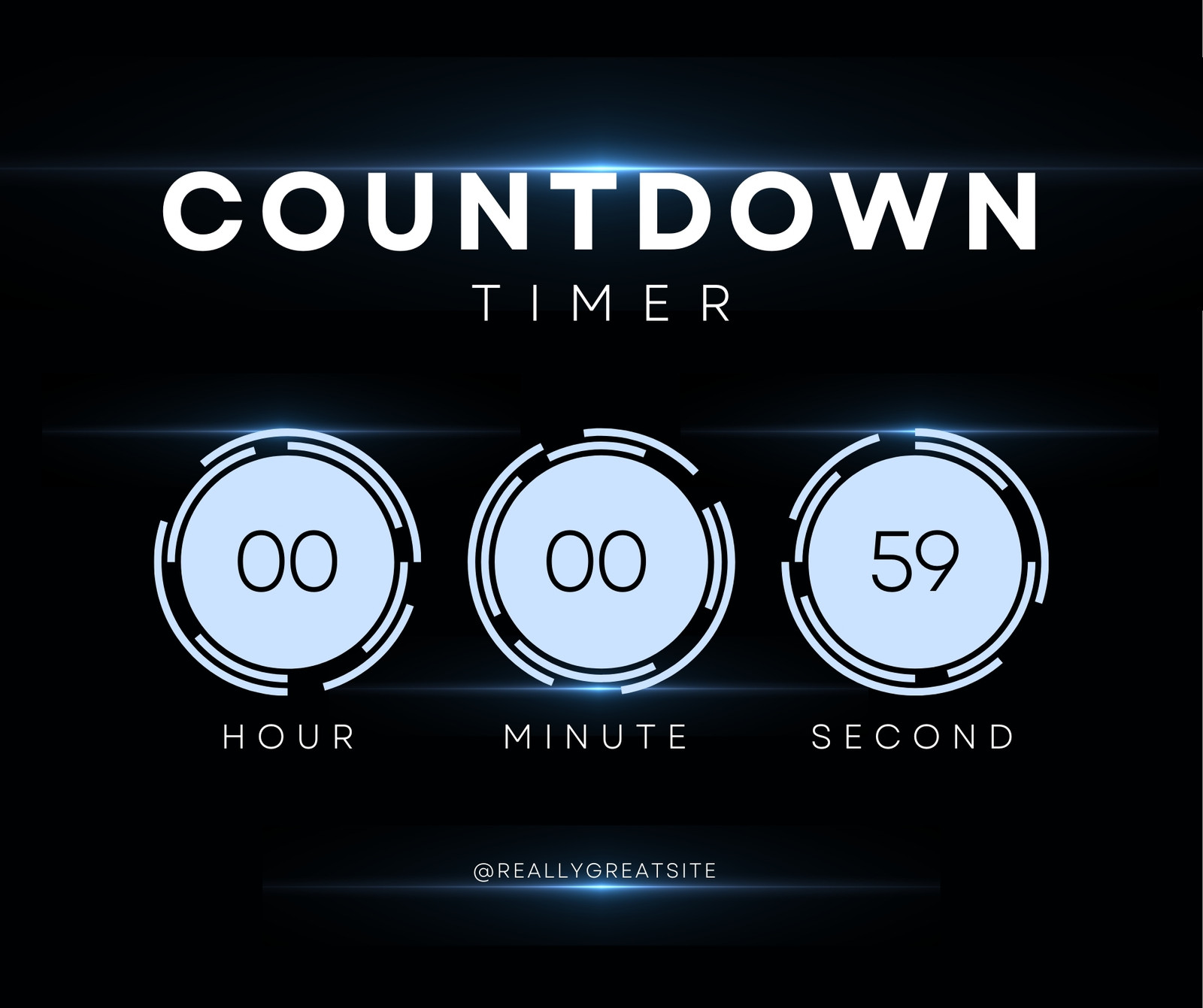
A tech startup aiming to roll out a beta by early September can break the remaining August days into three focus blocks: product polish, user‑testing, and marketing prep. Each block receives a concise checklist, and a visual countdown reinforces urgency without causing burnout.
Scenario 2: The Corporate Department
For a finance department transitioning to a new reporting system, August provides the cushion to pilot the software with a single business unit. By the 20th, they can conduct a cross‑functional review, adjust configurations, and train staff before the system goes live on September 1.
Scenario 3: The Personal Planner
Individuals looking to reset health or learning habits can schedule “micro‑goals”—for example, a 30‑minute workout three times weekly or a weekly chapter of a professional development book. Marking these on a calendar and pairing each with a short countdown visual keeps motivation high and progress visible.
Balancing Pros and Trade‑offs
Beginning the September preparation early yields clear benefits: reduced stress, more accurate forecasting, and the ability to reallocate resources if unexpected issues arise. However, the approach demands disciplined time‑boxing; over‑planning can backfire if teams become rigid and miss spontaneous opportunities. The key is to set flexible checkpoints rather than fixed, unchangeable deadlines.
Realistic Expectations for the August‑to‑September Transition
Even with a robust countdown, not every obstacle can be eliminated. Supply‑chain delays, staff absences, or sudden market shifts may still disrupt timelines. Readers should therefore embed contingency buffers—typically 5‑10% of total project hours—into their August schedule. Monitoring progress daily and adjusting the countdown accordingly ensures the plan remains responsive.
Practical Next Steps
- Draft a short “August Action List” that aligns with September’s primary objectives.
- Choose a visual countdown tool (the illustrated template above works well) and assign it to a shared workspace.
- Set three weekly review meetings to assess progress and tweak milestones.
- Reserve at least one “flex day” per week for unexpected tasks or rest.
By treating August as a deliberate runway rather than a passive buffer, individuals and organizations can step into September with confidence, clear metrics, and the agility to adapt when reality shifts.
New Shows Like Chicago P.D. | Recent Shows To Watch After Chicago P.D.

New Shows Like Chicago P.D. | Recent Shows to Watch After Chicago P.D.
Countdown Timer Powerpoint Template - Prntbl.concejomunicipaldechinu.gov.co

Countdown Timer Powerpoint Template - prntbl.concejomunicipaldechinu.gov.co
Learn How To Create Countdown Popup - Poper

Learn How to Create Countdown Popup - Poper
Countdown Timer Powerpoint Template - Prntbl.concejomunicipaldechinu.gov.co

Countdown Timer Powerpoint Template - prntbl.concejomunicipaldechinu.gov.co
